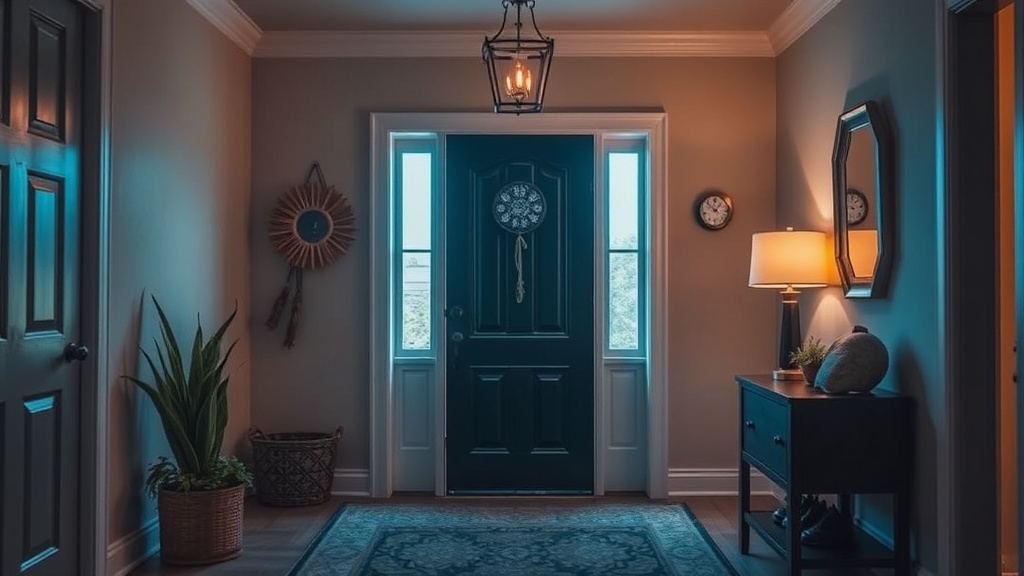
Turning Your Entryway Into a High-Functioning Drop Zone

You’ll learn how to transform a cluttered entryway into a high-functioning drop zone by implementing specific zones for mail, keys, shoes, and outerwear. This guide covers the spatial planning, product selection, and organizational systems required to stop the daily "where are my keys?" panic. We'll look at how to manage small footprints and how to choose durable materials that withstand heavy daily use.
What are the best ways to organize a small entryway?
The best way to organize a small entryway is to prioritize vertical storage and clear-path navigation. Most people make the mistake of buying bulky furniture that eats up the floor space—which is a bad idea in a small home or apartment. Instead, you should look up.
Think about the walls. If you have a narrow hallway, a heavy console table is a recipe for a tripping hazard. Instead, try a wall-mounted shelf or a slim-profile shoe cabinet. I've found that using the height of the room prevents the "clutter pile" from forming on the floor. If you're already struggling with clutter in other parts of your home, you might want to look into using vertical surface area to expand your living space before you buy anything new.
Here is a quick breakdown of the three main zones every entryway needs:
- The Landing Zone: This is for small, high-frequency items like keys, wallets, and sunglasses.
- The Outerwear Station: This handles heavy lifting—coats, scarves, and bags.
- The Footwear Zone: This keeps shoes from being scattered across the floor.
A small tray from a brand like IKEA works wonders for the Landing Zone. It keeps your loose change and keys from sliding off the shelf. It's a simple fix, but it keeps the visual noise down.
How much space do I need for an entryway drop zone?
You need at least 36 inches of clear walking space to ensure the entryway doesn't feel cramped or unsafe. While you can certainly work with a smaller footprint, a narrow passage becomes a bottleneck if you add too much furniture. If your entryway is less than four feet wide, stick to wall-mounted solutions rather than freestanding pieces.
I always tell my clients that less is more. If you try to cram a bench, a coat rack, and a console table into a tiny foyer, you'll end up hating the space. A single wall-mounted hook system and a small floating shelf can provide plenty of utility without the bulk. (And trust me, a bulky bench is a nightmare if you have to squeeze past it every morning.)
Consider the following comparison of storage types based on your available space:
| Space Type | Best Storage Solution | Example Product/Style |
|---|---|---|
| Very Narrow Hallway | Wall-mounted hooks/shelves | Floating ledge or pegboard |
| Small Mudroom | Slim shoe cabinets | IKEA Trones shoe cabinet |
| Standard Entryway | Small bench with storage | Wooden bench with cubbies |
| Large Foyer | Full-height storage units | Custom cabinetry or heavy coat racks |
If you're dealing with a very tight space, don't forget about the door itself. Using an over-the-door organizer can save a massive amount of floor space. It’s a great way to store things like umbrellas or even lightweight bags without taking up a single inch of the floor.
Which materials work best for high-traffic entryways?
Materials that are water-resistant and easy to wipe down work best for high-traffic entryways. Since the entryway is the first line of defense against the elements, you'll deal with wet boots, muddy shoes, and melting snow. You don't want to ruin an expensive wood grain or a delicate fabric rug every time it rains.
Look for things like powder-coated steel, treated wood, or high-quality plastics. If you use a rug, make sure it's a durable material. A heavy-duty coir mat or a washable rug from a brand like Ruggable is a smart move because you can just throw it in the wash. It's much better than trying to scrub a permanent stain out of a delicate area rug.
Here's a list of what to look for when shopping for entryway pieces:
- Durability: Can it handle a heavy bag being tossed onto it?
- Moisture Resistance: Will the finish peel if it gets hit by a wet umbrella?
- Ease of Cleaning: Can you wipe it down in under a minute?
- Weight Capacity: Can the wall hooks actually hold a heavy winter coat?
I've seen people buy beautiful, mid-century modern wooden benches that look great in photos, but they end up looking terrible after one season of wet, muddy boots. It’s a bummer. If you love that look, just ensure the wood is sealed or use a tray underneath to catch the moisture. It's a small precaution that saves a lot of headache later.
When you're selecting hooks, don't just look at the aesthetic. A decorative hook might look great, but if it's made of thin metal, it’ll bend under the weight of a heavy Patagonia Nano Puff jacket. Always check the weight rating or look for sturdy, screw-in options rather than adhesive hooks. Adhesive hooks are fine for lightweight keys, but they aren't going to hold a heavy backpack or a winter coat for long.
One thing to keep in mind is the lighting. A dark entryway feels cluttered even if it's actually quite empty. If you have a small space, a small, battery-operated motion sensor light can make a huge difference. It's a simple way to make the space feel more intentional and less like a dark corner where things go to die.
If you find yourself constantly losing things in your entryway, you might have a broader organizational issue. I once wrote about fixing the kitchen junk drawer without buying new bins, and the logic is actually very similar. It's about creating a "home" for every single item so you aren't hunting for it when you're already five minutes late for work.
The goal isn't to buy a bunch of expensive furniture. The goal is to create a system where every item has a specific, easy-to-reach spot. When you walk through the door, you shouldn't have to think. You drop the keys in the tray, hang the coat on the hook, and kick the shoes into the bin. That's a high-functioning drop zone.