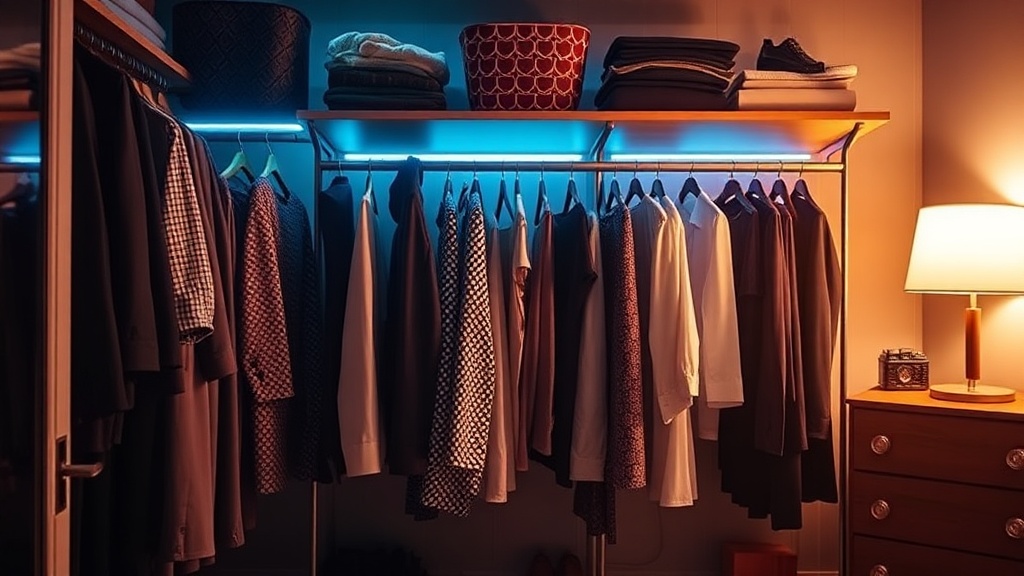
Transform Your Closet into a High-Efficiency Wardrobe System

Most people believe that a bigger closet is the solution to a messy wardrobe, but that's a mistake. Adding more square footage doesn't fix a bad system; it just gives you more room to hide clutter. A high-efficiency wardrobe relies on smart categorization, vertical space usage, and the right hardware rather than raw volume. This post breaks down how to reorganize your hanging space, drawer layouts, and seasonal storage to make your small living area feel much larger.
How Can I Maximize Small Closet Space?
You maximize small closet space by prioritizing verticality and removing visual friction. Most standard closets have a massive amount of "dead air" between the top shelf and the hanging rod. If you aren't using that space, you're wasting the most valuable real estate in your room.
Start by installing a second hanging rod or using a high-mounted shelf. If you have a standard reach-in closet, adding a tension rod halfway down can create a dedicated section for shorter items like shirts or skirts. This leaves the bottom area open for shoes or bins. It's a simple move, but it changes the entire feel of the space.
Don't forget the door. The back of a closet door is a prime location for much-needed storage. I've seen people use the over-the-door organizer style for more than just shoes—think scarves, belts, or even small accessories. It keeps things off your dresser and out of your way.
If you're working with a tiny bedroom, you might already be looking at clever under-bed storage solutions to keep your floor clear. Using that space for off-season items keeps your main closet from becoming a graveyard for clothes you don't wear in July.
Pro-tip: Use uniform hangers. It sounds trivial, but mixing wire, plastic, and wooden hangers creates visual chaos. When everything looks the same, your brain perceives the space as organized, even if it's actually quite full.
What Are the Best Closet Organization Products?
The best products are those that fit your specific clothing volume and prevent your clothes from slipping or stretching. You shouldn't buy everything you see on social media; instead, look for items that solve a specific problem in your current setup.
Here is a breakdown of common storage tools and when to use them:
| Product Type | Best For | Why It Works |
|---|---|---|
| Velvet Hangers | Shirts & Blouses | They are slim and prevent clothes from sliding off. |
| Stackable Bins | Sweaters & Jeans | They utilize vertical height on high shelves. |
| Shelf Dividers | Folded T-shirts | They keep stacks from leaning into each other. |
| Drawer Dividers | Socks & Underwear | They prevent the "junk drawer" effect in your dresser. |
I personally swear by the slim profile of velvet hangers. They save a massive amount of horizontal rod space compared to those bulky plastic ones. If you're dealing with a tight squeeze, every millimeter counts. (And yes, they actually stop your silk tops from sliding onto the floor every time you move the rod.)
For bulky items like heavy knits, look into the Patagonia Nano Puff style of layering—lightweight, compressible gear is much easier to store than heavy, bulky sweaters. If you can compress your off-season items into vacuum seal bags, you'll free up a huge chunk of shelf space immediately.
How Often Should I Declutter My Wardrobe?
You should declutter your wardrobe at the start of every single season. Waiting a full year is far too long, and you'll end up with a closet full of things you haven't worn since last spring.
A seasonal reset allows you to rotate your inventory. If you're pulling out your heavy coats, you should be packing away your linen shirts. This keeps your active closet from becoming overstuffed. An overstuffed closet is a recipe for stress—and broken zippers.
When you are decluttering, use the "one-year rule." If you haven't worn it in twelve months, it's time to let it go. It might feel hard to part with that one specific sweater, but if you haven't touched it in a year, you likely won't again. This isn't about being ruthless; it's about being honest with your space.
The Sorting Method:
- Keep: Items you wear regularly and that fit well right now.
- Maybe: Items you're unsure about (put these in a box and check in 3 months).
- Donate/Sell: Items in good condition that no longer fit your style or body.
- Discard: Items that are stained, torn, or worn out.
The "Maybe" box is a lifesaver. Instead of letting "maybe" items clutter your closet, put them in a bin. If you don't reach for them by the next season, the decision is made for you. It's a way to test your attachment to an item without the clutter.
If you find that your closet is still a mess even after decluttering, you might have a categorization problem. Are your clothes grouped by type, or is everything just thrown together? A high-efficiency system relies on grouping by category (all long sleeves together, all short sleeves together) and then by color. This makes finding an outfit much faster in the morning.
One thing to watch out for is the temptation to buy more bins to "fix" the clutter. A pile of bins is still a pile of stuff. Before you buy more storage, ensure you actually have enough items to justify the space. If you're struggling with space in other areas of your home, you might want to check out my tips on small space hacks to see how to maximize your entire living area.
The goal is a system that works for you, not a system you have to maintain constantly. A truly efficient wardrobe is one where you can see everything you own at a glance. If you have to dig through a pile to find a shirt, the system has failed. Keep it visible, keep it categorized, and keep it slim.