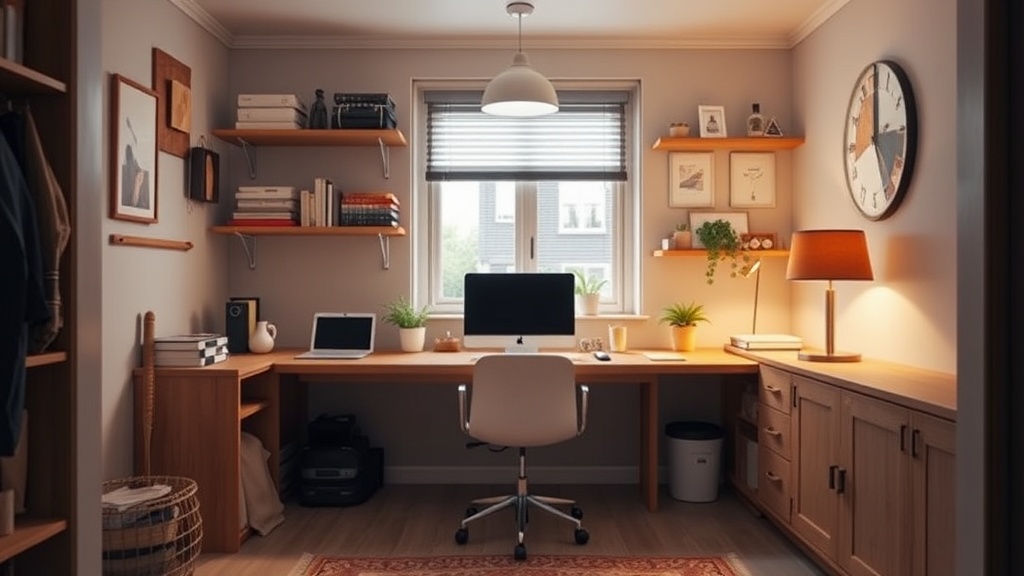
10 Genius Small-Space Hacks That Will Double Your Storage

Small spaces demand creative solutions. This post covers ten storage hacks that actually work—tested ideas for closets, kitchens, bathrooms, and living areas that reclaim wasted square footage without a renovation budget. Whether you're in a studio apartment, a compact condo, or just dealing with a spare room that serves triple duty, these strategies will help you store more without the clutter.
How Can You Add Storage Without Drilling or Damaging Walls?
Rental-friendly storage is absolutely possible. The key is using tension, pressure, and freestanding systems that grip surfaces instead of puncturing them.
Tension rods do far more than hold shower curtains. Install a rod under the kitchen sink and hang spray bottles by their triggers—instant vertical space. Add a second rod near the back of a closet to create a double-hanging zone for shirts and blouses. Brands like Room Essentials (Target's house line) and InterDesign make rods that extend from 18 inches to over 10 feet, with rubberized ends that grip drywall without leaving marks.
Command strips and hooks from 3M have evolved beyond basic picture hanging. The brand's broom gripper holds up to 4 pounds—perfect for mops, dustpans, and even small tools inside a utility closet. Their utensil hooks work inside cabinet doors for measuring cups or potholders. (Just don't exceed the weight limits, and removal is genuinely damage-free.)
Over-the-door organizers deserve more respect. The SimpleHouseware Over Door Organizer—about $25 on Amazon—features 24 clear pockets that turn any door into pantry storage, shoe overflow, or bathroom supply central. For heavier items, the Whitmor Over the Door Rack supports actual shelving with metal brackets that hook over standard doors without screws.
"The best rental storage solutions are the ones you take with you," says professional organizer Shira Gill, whose book Minimalista emphasizes portable systems. "Don't invest in built-ins you can't keep."
What's the Best Way to Organize a Tiny Closet?
Vertical space is the answer—but only if you use it strategically. Most closets waste the top third entirely and the bottom half with single rods and deep piles.
Start by measuring. A standard closet rod sits at 66 inches—plenty of room above for a second rod at 42 inches. Rubbermaid's Configurations Closet Kits (available at Home Depot) include adjustable double-hang hardware that installs with basic tools and doubles hanging capacity instantly. For reach-in closets under 24 inches deep, skip the side walls and focus on the back—Elfa's Door & Wall Rack from The Container Store mounts to the back wall for shoes, folded jeans, or accessories.
Shelf risers transform single surfaces into tiered storage. The YouCopia StoreMore Adjustable Shelf Riser expands from 15 to 30 inches wide, creating a second level for handbags, sweaters, or shoeboxes. At $20, it's cheaper than adding actual shelving—and moves with you.
Here's the thing about closet floors: they're usually disaster zones. A shoe bench with storage—like IKEA's HEMNES bench with cubbies—sits under hanging clothes, providing seating plus six compartments. For narrower closets, the Seville Classics 3-Tier Shoe Rack (stackable) builds upward instead of outward.
Worth noting: vacuum storage bags work for out-of-season clothing, but only with natural fibers. Synthetic puffer coats and anything with down will compress permanently and lose insulation. Store those in clear under-bed boxes from Sterilite instead.
How Do You Create a Functional Kitchen With Zero Drawer Space?
Older apartments and studio kitchens often lack drawers entirely. The workaround? Treat every vertical surface as potential storage and every cabinet as a drawer waiting to happen.
Magnetic knife strips—the KitchenIQ EdgeKeeper or OXO Good Grips version—mount to walls or backsplash tiles, freeing entire drawers. (They also keep knives sharper than jumbled drawers.) Magnetic spice tins from Gneiss Spice stick to refrigerators, range hoods, or mounted steel sheets, turning dead space into a functional spice rack.
Adhesive drawer organizers create pull-out function in standard cabinets. The Simple Houseware Under Sink Organizer ($35) glides out on tracks, bringing cleaning supplies forward instead of requiring archaeological digs into cabinet depths. For upper cabinets, Rev-A-Shelf's Pull-Down Shelving System brings items to you—pricey at $200+, but transformative for high storage.
The catch? Small kitchens need ruthless item reduction. If a tool performs only one function—hello, avocado slicer—it probably doesn't earn real estate. The Victorinox Fibrox Pro Chef's Knife ($45) handles 90% of cutting tasks, replacing multiple gadgets. One quality Dutch oven (the Lodge Enameled 6-Quart at $90) substitutes for multiple pots.
| Storage Solution | Best For | Price Range | Rental-Friendly? |
|---|---|---|---|
| Tension rod systems | Closets, under sinks | $8-$25 | Yes—zero hardware |
| Over-door organizers | Pantries, bathrooms | $15-$40 | Yes—hooks over door |
| Magnetic strips/racks | Knives, spices, tools | $15-$50 | Yes—adhesive or screws |
| Pull-out cabinet organizers | Deep base cabinets | $35-$200+ | No—requires mounting |
| Shelf risers | Closets, cabinets | $15-$30 | Yes—freestanding |
Where Should You Store Things When There's No Basement or Garage?
Apartment dwellers lack the luxury of out-of-sight storage. Every item needs a designated home within the living space—or it becomes clutter.
Under-bed storage is the obvious answer, but execution matters. Soft-sided bags collect dust and sag. Rigid under-bed drawers—the IRIS Under Bed Storage Box with wheels—slide out smoothly and seal against dust. Standard bed frames offer 7-8 inches of clearance; risers (the Home-it Adjustable Bed Risers) add 3-8 inches more, accommodating taller bins.
Ottoman storage works for items needed occasionally but not daily. The Simpli Home Avalon Storage Ottoman ($150) holds board games, extra blankets, or office supplies while serving as seating. In studios, a storage ottoman at the foot of the bed creates a visual "end" to the sleeping area.
Hidden storage furniture has improved beyond the clunky lift-top coffee table. Article's Sven sectional includes a chaise with storage underneath. West Elm's Mid-Century Pop-Up Storage Coffee Table conceals a laptop workspace plus storage—dual function for small living rooms. These pieces cost more than standard furniture, but replace multiple storage units.
That said, hidden storage can become forgotten storage. Schedule quarterly reviews—literally calendar reminders—to audit what's actually inside that ottoman. If items haven't surfaced in a year, they probably don't belong in your home.
Can Bathroom Storage Work Without a Medicine Cabinet or Vanity?
Yes—with strategic use of walls, doors, and the often-wasted space above toilets.
Over-toilet shelving exploits vertical real estate that most renters ignore. The Zenna Home Over-the-Toilet Spacesaver ($60) assembles without tools, with adjustable shelves for towels and toiletries. For tighter spaces, floating shelves above the toilet—mounted with drywall anchors if studs aren't available—hold baskets of everyday essentials.
Shower caddies evolved beyond rust-prone wire racks. The OXO Good Grips Shower Caddy uses suction and silicone grips—no drilling, no rust. For bathtub showers, a simplehuman Tension Shower Caddy ($130) extends from floor to ceiling with adjustable shelves, storing bottles without wall damage.
Magnetic organizers work even in bathrooms. Magnetic strips inside cabinet doors hold bobby pins, nail clippers, and tweezers. Magnetic cosmetic organizers from ODesign stick to metal surfaces, freeing drawer space for larger items.
The small-space bathroom rule: every product must multitask. Dr. Bronner's Pure-Castile Soap ($16 for 32 oz) functions as body wash, shampoo, and hand soap—one bottle instead of three. Microfiber hair towels dry faster and store smaller than bulky cotton versions.
What About Multi-Functional Rooms?
Guest rooms that double as offices. Living rooms that become guest quarters. Dining rooms that serve as craft spaces. Small homes require rooms to shapeshift—and storage that adapts accordingly.
Murphy beds (wall beds) finally escaped their 1970s reputation. The Bestar Nebula collection includes queen wall beds with integrated desks that remain level as the bed lowers—no clearing your workspace for guests. At $1,500-$2,500, these are investments, but cheaper than adding square footage.
Room dividers with storage create zones without walls. The IKEA KALLAX shelving unit—77x147 cm, about $80—divides studio apartments while providing 16 cubbies of storage. Add fabric bins for concealed storage, or leave open for books and display.
Folding furniture stores when not needed. Cosco's Folding Table ($50) seats four for dinner, then folds to 3.5 inches deep for closet storage. Butterfly chairs or director's chairs stack in corners when guests depart. The key is honest assessment: if the "guest bed" gets used twice yearly, an inflatable mattress (the SoundAsleep Dream Series, $150) stores in a closet and outperforms a space-hogging sleeper sofa.
For home offices in shared spaces, cable management prevents visual chaos. BlueLounge CableBox ($30) conceals power strips in a minimalist case. Adhesive cable clips (the J Channel style) route cords along desk undersides, invisible from standing height.
Final Thoughts on Living Small
Small-space storage isn't about buying more containers—it's about recognizing wasted opportunities. The backs of doors. The tops of cabinets. The inches under furniture. The vertical surfaces staring blankly at walls.
Start with one zone. Measure it. Identify the dead space. Then choose one solution—tension rods, over-door storage, shelf risers—and implement it completely before moving to the next area. Incremental progress beats grand plans that never materialize.
The best small-space homes don't feel like storage units. They feel intentional—every item with a purpose, every tool within reach, nothing excess demanding attention. That's not minimalism as aesthetic. That's minimalism as sanity.
For more small-space strategies, explore Apartment Therapy's Small Spaces section or browse The Container Store's Small Space solutions. The National Association of Home Builders also offers research on space-efficient design trends worth reviewing if you're considering a longer-term small-space commitment.