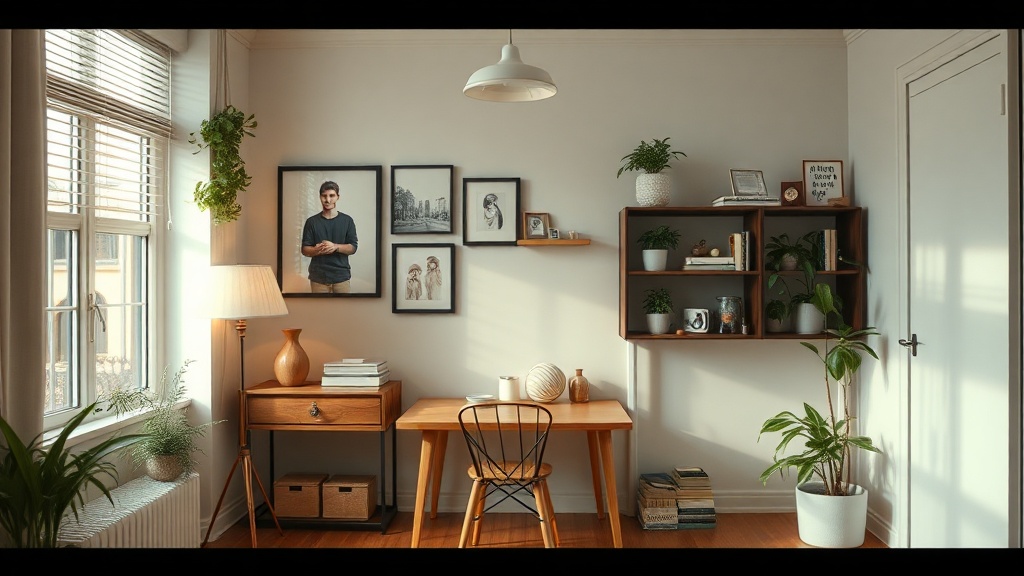
The One Rule That Instantly Declutters Any Small Space Without Buying Anything

Quick Tip
For every new item you bring into your home, remove one existing item immediately—no exceptions.
Most organizing advice quietly assumes you have space to spare. Extra bins. Extra closets. Extra patience. In a small apartment, that advice falls apart fast.
Here’s the blunt truth: if your space feels cluttered, it’s not because you need better containers. It’s because too many things are competing for the same limited real estate.
The fix isn’t complicated. It’s one rule. Apply it consistently, and your space changes almost immediately.
The Rule: One In, One Out (No Exceptions)
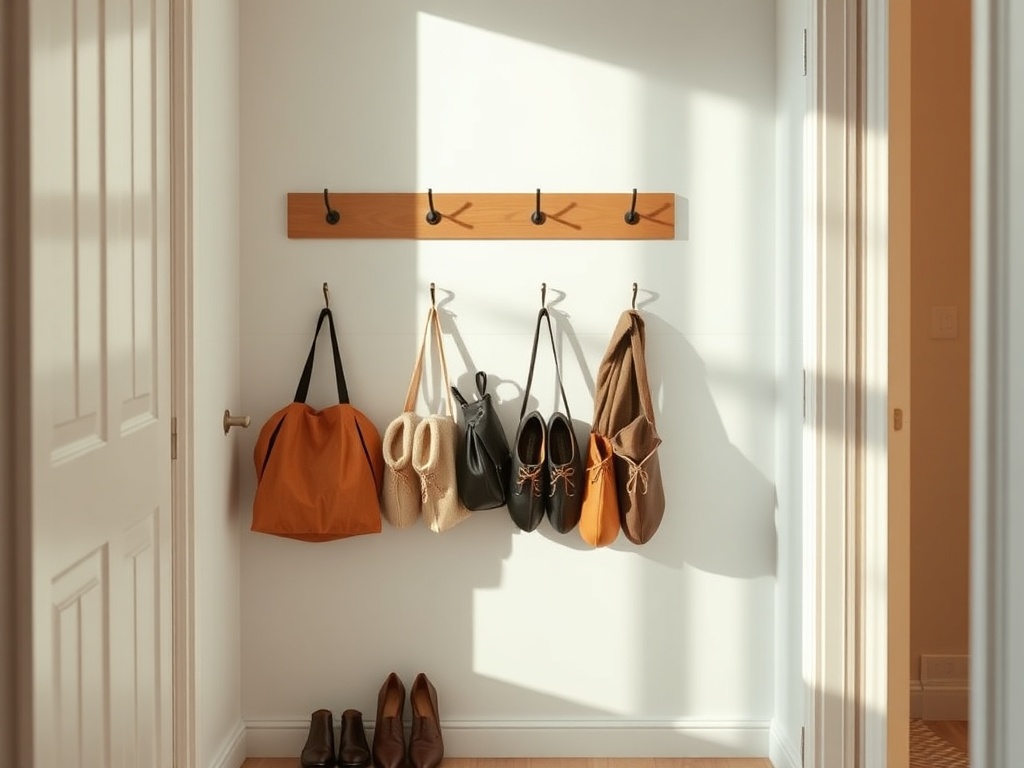
Every time something new enters your home, something else has to leave. Not later. Not eventually. Right then.
This isn’t a decluttering session. It’s a system that prevents clutter from building in the first place.
Buy a new sweater? One goes. New kitchen gadget? One goes. Random decorative item you didn’t plan for? Something else exits your space immediately.
People resist this rule because it feels restrictive. It is. That’s why it works.
Why This Works Better Than Big Decluttering Days
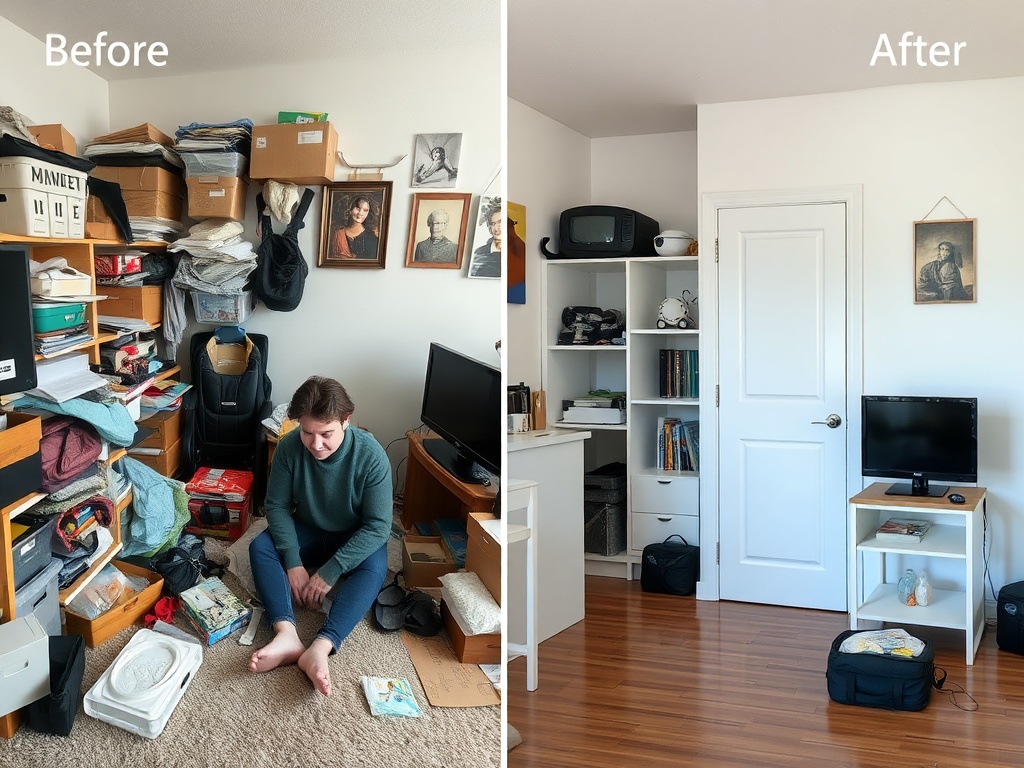
Weekend cleanouts feel productive, but they’re a temporary fix. Without a system, clutter quietly rebuilds.
The one-in-one-out rule flips the equation. Instead of reacting to clutter, you stop it at the source. There’s no buildup, no overwhelm, and no need for dramatic resets.
It also forces better decisions. When every purchase has a tradeoff, you naturally become more selective. That’s where real change happens.
How to Actually Follow Through (Where Most People Fail)
The rule sounds simple. Execution is where people slip. Here’s how to make it stick:
- Decide before you buy: Know what item you’ll remove before bringing something new home.
- Keep an “outgoing” bag: A small bin or bag near your closet or entryway removes friction.
- No swaps later: Delaying defeats the system. The item leaves immediately or not at all.
- Match categories: Clothes replace clothes, kitchen items replace kitchen items. Keep it logical.
This is less about discipline and more about reducing decision fatigue. Build the habit once, and it runs automatically.
Where This Rule Has the Biggest Impact
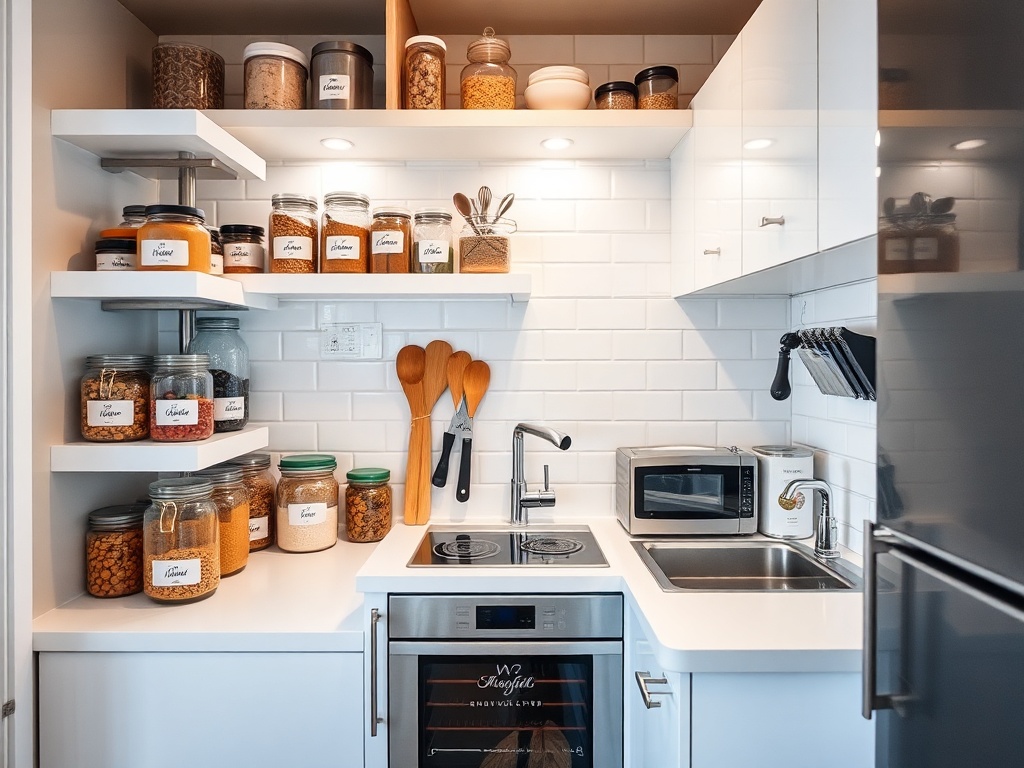
Some areas benefit more than others:
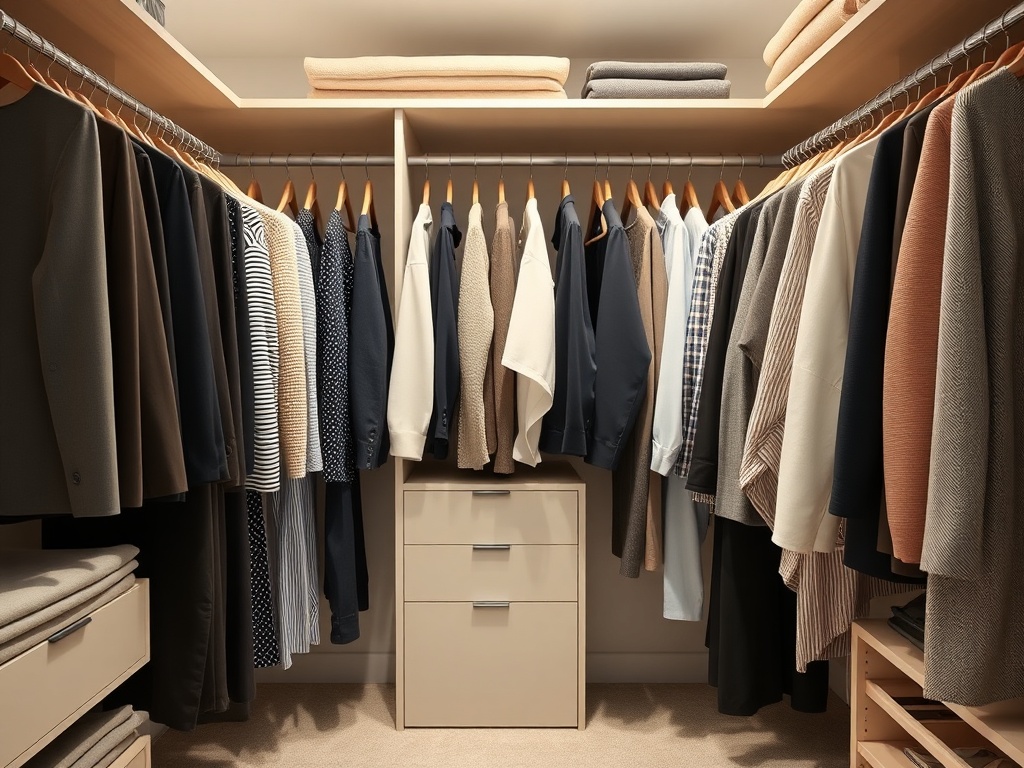
- Closets: The fastest place clutter creeps back in.
- Kitchens: Gadgets multiply quickly and crowd limited counter space.
- Entryways: Shoes, bags, and jackets pile up fast.
- Bathrooms: Half-used products create visual noise.
Start with one of these zones. Once you see results, it spreads naturally to the rest of your space.
What to Do With the “Out” Items

The rule only works if items actually leave your home.
Donating is the easiest path. Keep it simple: one bag, filled gradually, dropped off regularly. If something has value and you’re motivated, sell it—but don’t let that delay removal.
The goal isn’t perfection. It’s momentum.
The Hidden Benefit: You Stop Overbuying

This rule quietly rewires how you shop.
Impulse purchases lose their appeal when they come with an immediate tradeoff. You start asking better questions:
- Do I actually need this?
- Is this better than what I already own?
- What am I willing to give up for it?
That pause is where clutter prevention happens.
Common Mistakes That Break the System
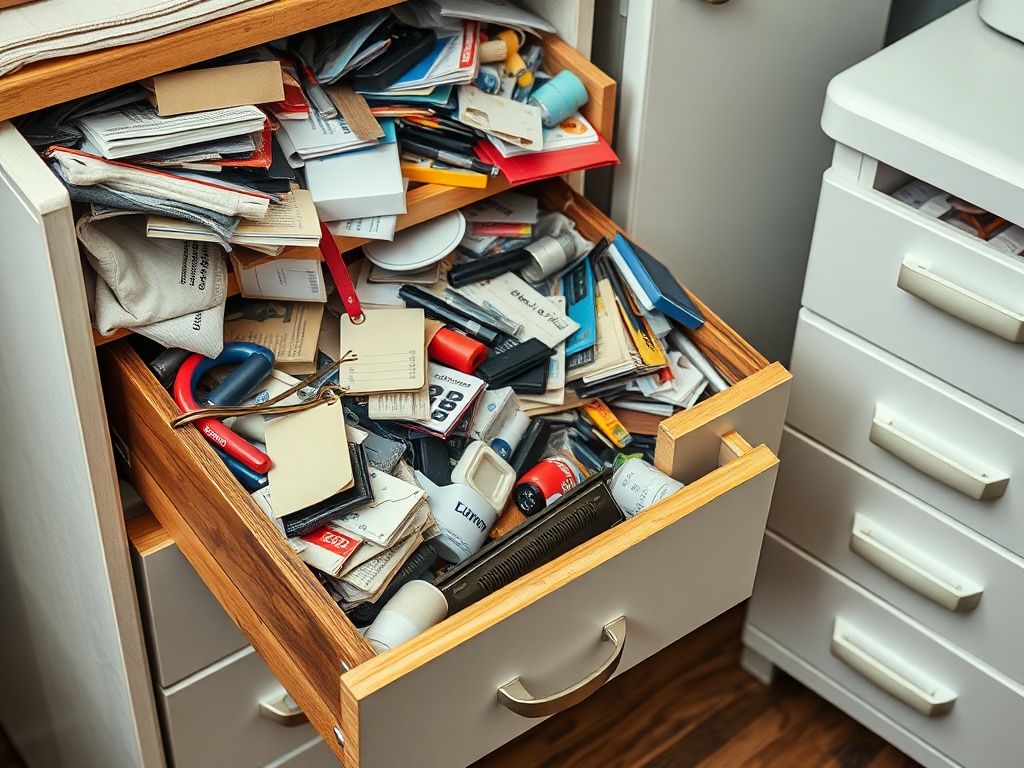
- “I’ll deal with it later” thinking: Later never comes.
- Upgrading without removing: Replacing items still requires removal.
- Keeping backups of everything: Multiples are where clutter hides.
- Emotional exceptions: If everything is “special,” nothing leaves.
Be honest here. The rule only works if it applies every time.
What Happens After 30 Days
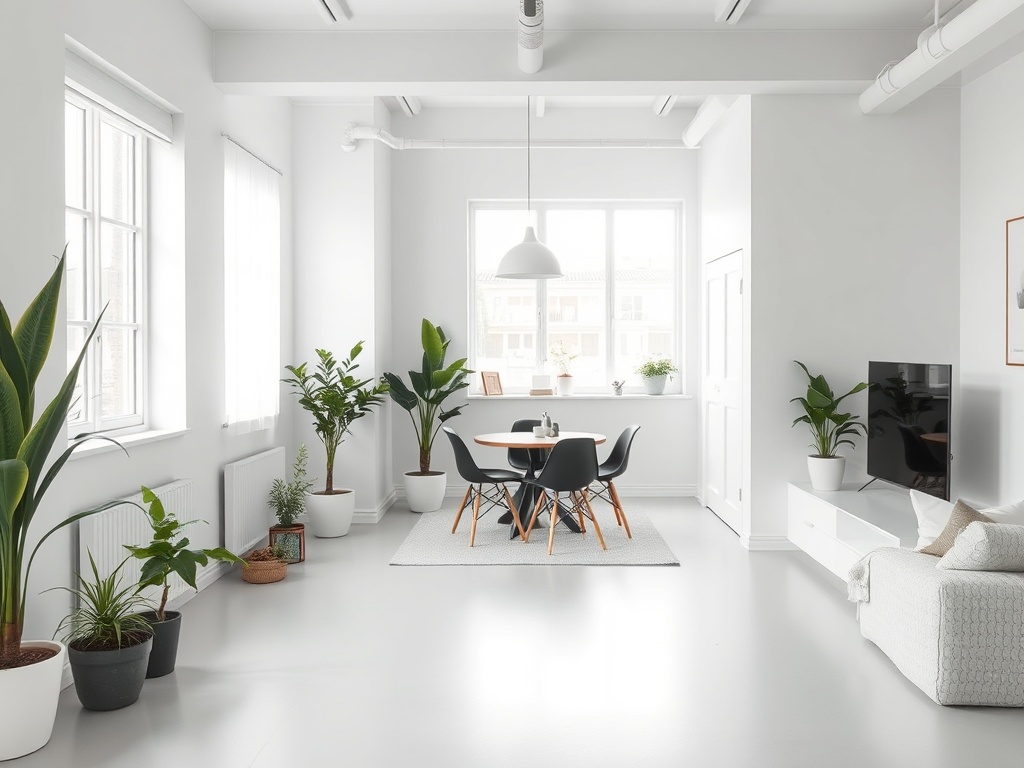
If you follow this consistently for a month, a few things change:
- Your space feels lighter without a massive purge
- You know exactly what you own
- Cleaning becomes faster and easier
- Buying decisions become intentional
It’s not dramatic. It’s steady—and that’s why it lasts.
Final Thought
Most organizing systems fail because they’re too complicated or too temporary. This one works because it’s simple, slightly uncomfortable, and always active.
If your space is small, you don’t need more storage. You need fewer things competing for it.
Start with the next item you bring home. That’s where the change begins.