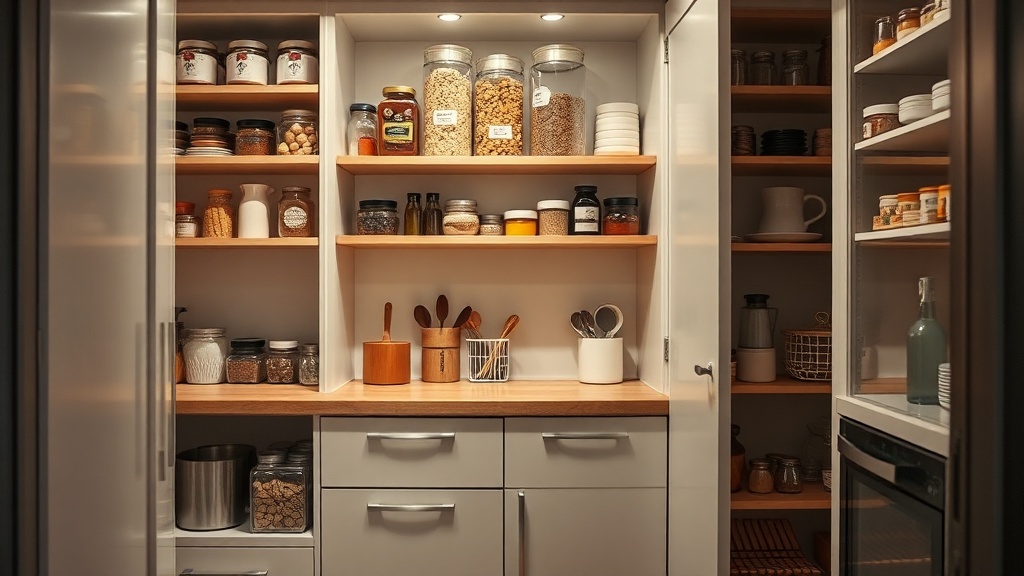
Organizing Your Small Kitchen Pantry with Minimalist Systems

What You'll Learn About Maximizing Pantry Efficiency
This post covers how to organize a small pantry using low-cost, high-impact methods that focus on accessibility and visibility. You'll learn how to categorize dry goods, select the right containers, and maintain a system that prevents food waste in limited spaces. Whether you're working with a tiny reach-in closet or a single corner cabinet, these steps help you regain control over your food storage.
Small pantries often become a black hole where expired cans and half-empty bags of flour go to die. When space is tight, you can't afford to have items hiding in the back. You need a system that brings everything to the front. This isn't about buying expensive matching glass jars—it's about making sure you actually know what you have before you head to the grocery store.
How to Categorize Your Food for Easy Access?
The first step to a functional pantry is grouping like items together. Instead of a random assortment of boxes, try grouping by meal type or frequency of use. For example, keep all your baking supplies on one shelf and your breakfast items on another. This way, when you're making pancakes on a busy Tuesday morning, you aren't digging through a jar of cumin to find the maple syrup.
I suggest using a "zone" approach. Create a zone for grains, a zone for snacks, and a zone for canned goods. If you have a very narrow pantry, use the vertical space by adding tiered shelving. This prevents the "hidden can" problem where one item sits behind another. You can find great inspiration for shelf layout on sites like Architectural Digest, but for pure functionality, look at how professional organizers group items by weight and size.
Which Containers Work Best for Small Pantries?
Choosing containers can feel overwhelming, but keep it simple. You don't need a hundred different sizes of canisters. Stick to a few uniform shapes that stack well. Rectangular containers are often better than round ones because they sit flush against each other, leaving less wasted air space between containers. This is a big deal when every inch counts.
If you're on a budget, don't feel pressured to buy high-end airtight systems immediately. You can use sturdy, reusable bins to corral loose items like snack bags or seasoning packets. These bins act as single units that you can pull out like a drawer. For more technical advice on food preservation and storage, the FDA website offers guidance on keeping dry goods safe and fresh.
| Container Type | Best Use Case | Benefit |
|---|---|---|
| Airtight Glass Jars | Flour, Sugar, Rice | Prevents pests and keeps goods fresh |
| Clear Plastic Bins | Snack packs, Pasta bags | High visibility for quick inventory |
| Tiered Spice Racks | Spices, Small Cans | Increases visibility of back rows |
How to Maintain a Small Pantry Without Constant Clutter?
Maintenance is where most people fail. A perfectly organized pantry will fall apart in two weeks if you don't have a system for incoming goods. The "one in, one out" rule works well here. If you buy a new bag of quinoa, finish the old one first. Also, try to shop with a list every single time. Impulse buys are the enemy of a small pantry; they lead to extra items that don't have a designated home.
When you come home from the store, don't just shove things into the pantry. Take five minutes to place them in their designated zones. If you're using bins, place new items at the back and pull older items to the front. This practice, often called "FIFO" (First In, First Out), ensures you use your older stock before it expires. It's a small habit that saves money and reduces waste.
Consider the height of your shelves as well. Most people leave too much empty space above their items. If your shelves are too far apart, use stackable drawers or shelf risers to utilize that dead space. You might have a large gap between your pasta and your baking supplies that could be perfect for a small, two-tier wire rack. This makes use of the air that usually goes to waste in standard shelving units.
Lastly, don't forget the door. In a small space, the pantry door is a prime piece of real estate. An over-the-door organizer with clear pockets can hold much more than you'd think—condiments, small spice jars, or even small snack packs. This keeps your main shelves clear for larger items like cereal boxes or flour bags. It's a simple way to add storage without needing to drill holes or add permanent fixtures to your kitchen.