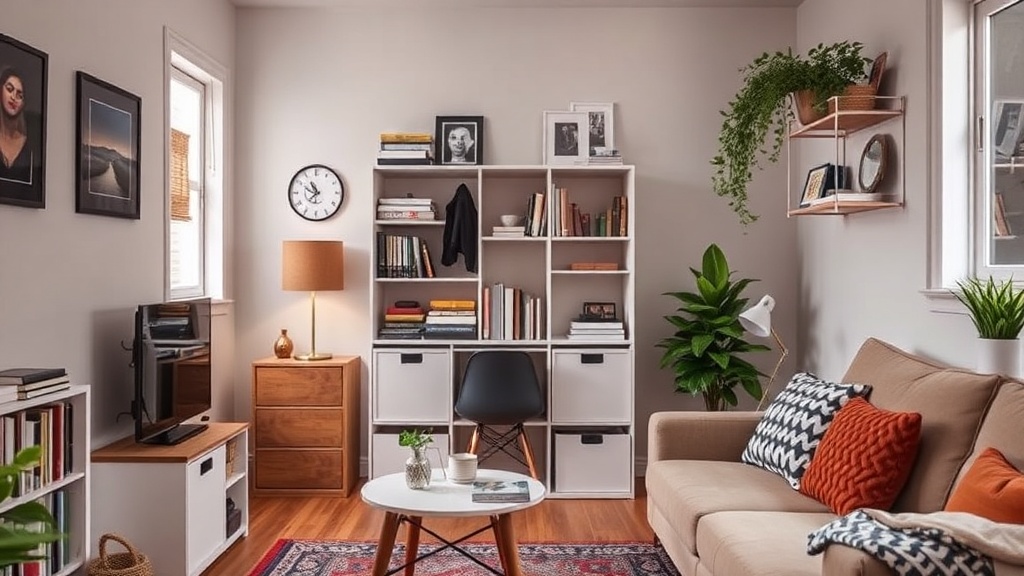
5 Genius Tiny Apartment Hacks That Double Your Storage Space

Vertical Wall Shelving That Frees Up Floor Space
Under-Bed Storage Containers for Hidden Organization
Over-the-Door Organizers for Every Room
Furniture That Doubles as Storage
Corner Shelves to Utilize Wasted Space
Living in a tiny apartment doesn't mean surrendering to clutter. These five storage hacks transform dead space into functional storage—no renovation required. Whether you're in a 400-square-foot studio or a compact one-bedroom, you'll find practical solutions that actually work in real homes.
How do you maximize storage in a small apartment?
You maximize storage by thinking vertically and using the spaces you normally ignore—behind doors, under beds, above cabinets. The average tiny apartment has about 30% more usable space than most people realize. Here's the thing: it's not about buying more containers. It's about using the right systems in the right places.
Most renters in Fredericton—and compact cities everywhere—face the same challenge. Square footage is expensive. But with smart planning, a 500-square-foot unit can feel surprisingly livable. These five strategies have been tested in real apartments by real people (including some very skeptical friends who now swear by them).
1. The Over-Door Revolution
Behind every door sits wasted real estate. The SimpleHouseware Over Door Organizer—available on Amazon for under $25—transforms this dead zone into serious storage. That said, not all over-door hooks are created equal.
The best systems use vertical tiers. Shoes, cleaning supplies, pantry items, bathroom toiletries—almost anything fits. In a studio apartment test, one organizer held 12 pairs of shoes plus three bottles of cleaning spray. The door still closed smoothly.
Worth noting: weight matters. Hollow-core doors (common in older buildings) can't handle heavy loads. Solid doors? Load them up. If you're unsure, the Container Store's Elfa system includes weight-rated options specifically for apartment doors.
For bathroom doors, moisture-resistant mesh organizers beat fabric every time. The MISSLO Mesh Over Door Organizer dries fast and won't mildew. For pantry doors, clear pockets let you see what you have at a glance—no more buying a third bottle of soy sauce because you couldn't spot the others.
How can I add storage without drilling holes?
You can add substantial storage without drilling by using tension rods, adhesive strips, freestanding furniture, and over-door systems. These renter-friendly solutions leave zero damage and work in any space.
2. Tension Rod Magic
Tension rods aren't just for curtains. At $8-15 each from IKEA or Home Depot, they're the cheapest storage upgrade you'll find. The catch? Most people install them wrong.
Here's what works: place rods vertically inside cabinets to create dividers for baking sheets, cutting boards, and trays. Horizontal placement under sinks creates instant hanging space for spray bottles. Two rods placed parallel under a kitchen cabinet? That's a paper towel holder that costs $3.
In closets, tension rods create shoe racks, scarf organizers, and even hanging spots for purses. One clever renter in Toronto installed three rods at different heights in a narrow closet—suddenly boots, flats, and sneakers each had their own level.
The Royal Bath Place Heavy Duty Tension Rods handle up to 20 pounds when properly installed. Twist until tight, then twist a quarter-turn more. Test it. A falling rod at 2 AM is not a pleasant surprise.
3. Under-Bed Systems That Actually Work
That gap under your bed? It's storage gold. But shoving random boxes underneath looks terrible and wastes space. Purpose-built under-bed storage changes everything.
The IKEA SKUBB storage cases ($9.99) slide easily and zip closed to keep dust out. For items you access frequently—shoes, seasonal clothes, extra linens—rolling drawers beat static boxes. The Whitmor Rolling Under Bed Cart glides out smoothly even on carpet.
Here's the thing about bed height: you need at least 6 inches of clearance for rolling storage to work. If your bed sits too low, bed risers are your friend. The Home-it Adjustable Bed Risers lift a standard bed by 3 or 5 inches. That's the difference between wasted space and 20 cubic feet of storage.
| Storage Type | Best For | Price Range | Pros | Cons |
|---|---|---|---|---|
| Soft zip cases (SKUBB) | Seasonal clothes, bedding | $8-15 | Lightweight, collapsible | No structure, hard to access |
| Rolling drawers (Whitmor) | Shoes, frequent-access items | $25-40 | Easy to pull out, structured | Requires more clearance height |
| Vacuum bags | Bulky items (coats, comforters) | $15-25 (set) | Compresses volume by 70% | Need vacuum to reseal |
| DIY rolling platform | Maximum capacity | $50-80 | Custom fit, high capacity | Requires assembly |
Vacuum storage bags deserve special mention. The Spacesaver Premium Vacuum Bags compress winter coats and bulky comforters into flat packages that slide anywhere. That said, they're terrible for anything you need quickly. Opening and resealing takes effort.
What's the best furniture for tiny apartments?
The best tiny apartment furniture serves multiple functions—storage ottomans, bed frames with built-in drawers, and wall-mounted drop-leaf tables. Look for pieces that work harder than single-purpose items.
4. Ottomans and Benches With Secrets
Every seat in a small apartment should earn its keep. Storage ottomans hide blankets, books, gaming controllers, and anything else that creates visual clutter. The SONGMICS Folding Storage Ottoman ($35) holds up to 660 pounds of sitting weight while storing 30 gallons of stuff inside.
At the foot of a bed, a storage bench creates a landing zone for bags and shoes while hiding spare linens. The Prepac Entryway Storage Bench ($180) includes a lift-top compartment plus side cubbies. It's technically entryway furniture, but it works beautifully in studio apartments as a room divider.
Window seat built-ins aren't just for houses. Floating benches with storage underneath transform awkward nooks into functional spaces. One renter in Vancouver installed a simple plywood bench with ROCKLER heavy-duty drawer slides beneath her apartment window. Cost: $120. Storage gained: enough for all her photography equipment.
Worth noting: lift-top ottomans work best for items you don't need daily. If you're opening it every morning for shoes, you'll get annoyed fast. For high-frequency items, choose open cubbies or drawers instead.
5. The Vertical Kitchen Strategy
Kitchens in tiny apartments are universally frustrating. One cabinet. Maybe two drawers. Counter space? Practically mythical. The solution isn't more cabinets—it's using walls and cabinet sides.
Magnetic knife strips free up drawer space and look professional. The wall-mounted magnetic knife holders ($25) from IKEA's KUNGSFORS line hold knives, scissors, and even small metal spice tins. Mount one on the side of your fridge if wall space is scarce.
Pegboards aren't just for garages. A Wall Control Metal Pegboard ($45) mounted on an empty kitchen wall holds utensils, pots, pans, and cutting boards. Julia Child famously used pegboard in her kitchen—if it worked for her, it'll work for your studio.
The inside of cabinet doors offers hidden storage real estate. Small wire racks from Command adhesive hooks hold pot lids, measuring cups, and cleaning supplies. The Lowe's Home Improvement storage section carries inexpensive wire organizers that install with adhesive—no drilling required.
Under-cabinet shelves slide onto existing shelves, instantly doubling layers. The DecoBros Under Shelf Basket ($12) creates space for mugs above plates, or spices above cooking oils. In a test kitchen with exactly four cabinets, these baskets created storage for 24 additional items.
That said, vertical storage has limits. Don't hang heavy cast iron where it could fall. Don't overload adhesive-mounted anything. And please—don't mount a pegboard with Command strips. Some jobs need proper anchors.
Making It Work in Real Life
These five strategies share a common principle: they use space that's already there, just waiting to be claimed. The over-door organizer uses air. The tension rod uses gaps. Under-bed storage uses void. Multi-functional furniture combines purposes. Vertical kitchen storage claims walls.
Start with one area. The door behind your bathroom door is the easiest win—$20, ten minutes, immediate impact. Once you see how much dead space you've reclaimed, the other hacks follow naturally.
Storage isn't about perfection. It's about making your space work for how you actually live. Some people need shoe storage. Others need book space. The tools are the same—adapt them to your life, not the other way around.
"The best organizing system is the one you'll actually use. Fancy doesn't matter. Functional does." — Casey Martin
Your tiny apartment has more potential than you think. Claim it.